Is NYC Nightlife Dead?
A Real Look at the State of the Scene in 2026
There was a time when New York City nightlife wasn’t just nightlife—it was legend. A cultural force that stretched from Meatpacking to Midtown to the Lower East Side. People didn’t go out to pose or post—they went out to feel something. To dance. To disappear into the music. To discover a version of New York that only existed after midnight.
In the late ’90s and early 2000s, clubs like Sound Factory, The Tunnel, and Centro-Fly were sanctuaries for the night-obsessed. People came for the DJs, the community, the movement. No clout chasing. No bottle parades. The dance floor was the only hierarchy that mattered.
Then the bottle service era arrived—and rewrote the rules.
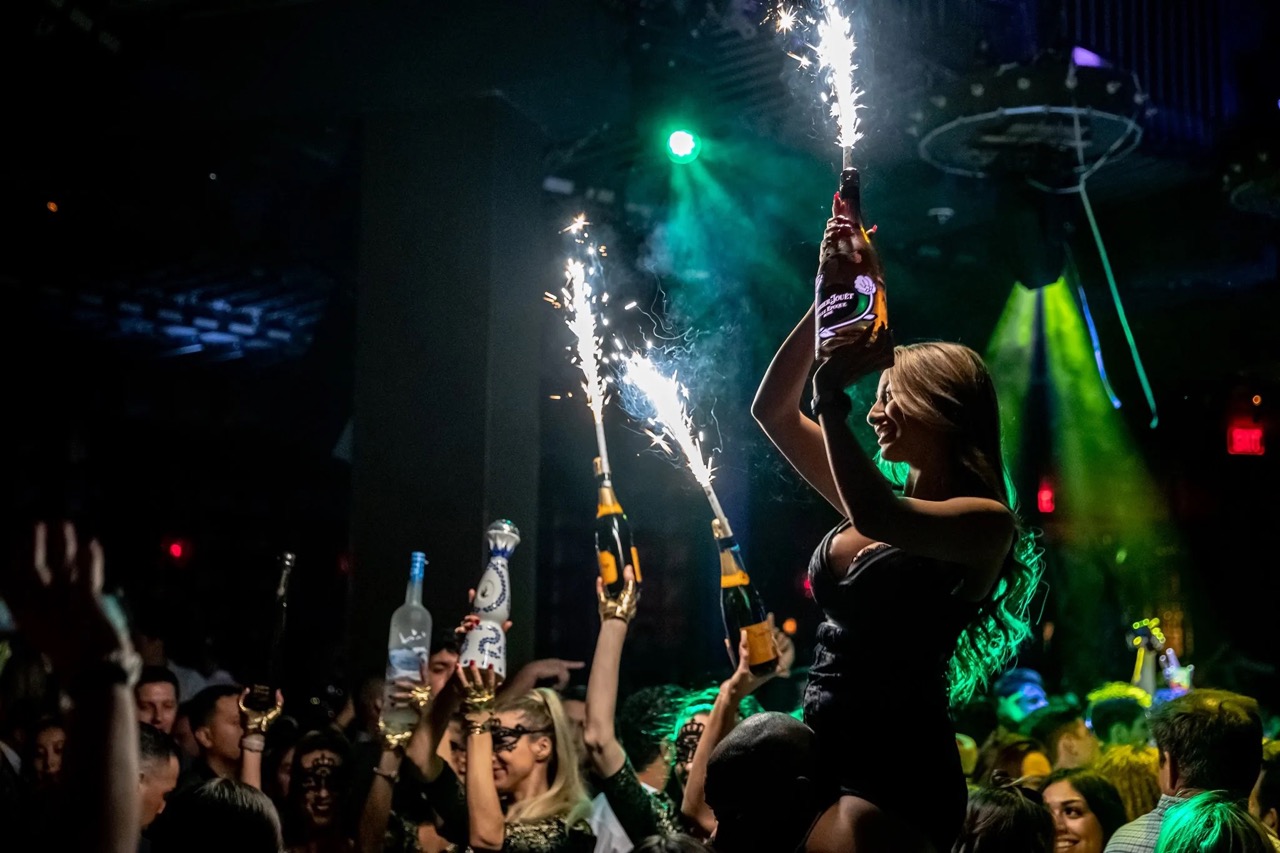
Lotus, Tenjune, 1OAK, Avenue, Provocateur, Up & Down, Le Bain—these rooms created a golden age that mixed glamour, chaos, fashion, and celebrity into one nightly spectacle. New York wasn’t just the epicenter of nightlife; it was the blueprint. What happened here set the tone for the world.
And then 2020 hit.
COVID didn’t pause nightlife. It stopped the heartbeat. Clubs disappeared. Scenes dissolved. Entire social ecosystems evaporated in weeks. When the city finally reopened, it felt familiar but altered—like muscle memory without the muscle.
Some venues never returned. Others reopened but never regained their spark. The landscape changed dramatically: fewer clubs, smaller crowds, different spending habits, shorter attention spans, darker music, more chaotic energy, and an overall sense that nights just… felt different.
So the question echoes louder every year:
Is NYC nightlife dead?
Not dead—just transformed.
How NYC Nights Really Feel in 2026
The biggest shift isn’t the number of clubs.
It’s the people walking into them.
Crowds behave differently.
Spending is inconsistent.
Music trends lean heavier.
Nights start later and end earlier.
Many rooms feel more transactional, less spontaneous.
Even strong venues can feel muted if the chemistry is off.
And everyone agrees: the magic is still there, but it’s selective now.
Yet beneath the cynicism, the spark hasn’t disappeared—it’s just moved.
Where NYC Nightlife Still Thrives
A handful of venues are fighting—successfully—to keep New York’s nightlife pulse alive.
Amber Room brings a cinematic, glamorous energy reminiscent of old Manhattan excess.
Gospel delivers a polished, high-fashion scene without losing its warmth.
The Mulberry leans into downtown creativity with a stylish, curated crowd.
The Blond remains a magnet for models, fashion insiders, and the international set.
Loosie’s keeps things raw, real, and unmanufactured—the closest thing to pre-Instagram nightlife energy.
The Boom Boom Room still holds a certain mythic glow, even if not every night hits like it once did.
Marquee, Somewhere Nowhere, Little Sister, Petite Disco, Ketchy Shuby and others each contribute their own flavor to the ecosystem.
The point is simple:
NYC nightlife isn’t one room. It’s a constellation.
Some stars burn brighter than others, but the sky is far from dark.
Where ModelsAndBottlesNYC Fits Into the Picture
We’re not here to claim that nightlife begins or ends with our nights.
New York is bigger than that. Much bigger.
What we are is deeply embedded in this world—every week, every scene, every shift in energy. We watch spaces rise, fall, peak, and reinvent themselves. We know where the room feels right, where the crowd is balanced, where the music actually elevates the night, and which venues are truly worth stepping into.
We host curated nights at some of the strongest rooms in the city—
Wednesdays at Marquee,
Thursdays at Loosie’s,
Fridays at Amber Room,
Saturdays at The Blond—
but that’s only part of what we do.
ModelsAndBottlesNYC.com is a doorway into all of New York nightlife.
If you’re a model, a big spender, a birthday group, an international traveler, or just someone who wants to experience NYC the way insiders experience it, you can book tables or request entry through us for any of the city’s top venues. Amber Room, The Blond, Gospel, Marquee, The Mulberry, Boom Boom Room, Somewhere Nowhere—whatever room fits the night you want, we can get you there.
New York nightlife might be less predictable than it used to be, but that’s exactly why having the right guidance matters.
So… Is NYC Nightlife Dead?
No.
But it’s different.
It’s leaner, more curated, more chemistry-dependent.
Less about spectacle, more about connection.
Less about the room, more about who you walk into it with.
NYC nightlife isn’t dead—it’s selective.
And the people who understand how to navigate it are the ones still keeping the spark alive.
If the city ever returns to the wild, unfiltered magic of the early 2000s remains to be seen—but one truth is certain:
Nightlife evolves.
And in its evolution, New York always finds a way to resurrect itself.